Diet Advice: Healthy Eating for a Balanced Diet
Finding reliable diet advice can feel harder than eating healthy itself. One website says to avoid carbs, another promotes high protein, while social media presents a new diet trend every week. As a result, choosing everyday foods can become confusing, especially when the goal is better health, weight management, or more energy.
The answer is not another restrictive diet. Instead, a healthy eating pattern should include a variety of nutrient-dense foods while fitting your calorie needs, preferences, budget, and routine. The Dietary Guidelines for Americans, 2025–2030, emphasize whole, nutrient-dense foods such as vegetables, fruits, protein foods, whole grains, dairy, and healthy fats. Therefore, practical nutrition guidance should focus on sustainable habits rather than short-term food rules.
What Is Healthy Eating?
Healthy eating means regularly choosing foods that provide essential nutrients while supporting your body's needs. In general, this includes vegetables, fruits, protein foods, whole grains, healthy fats, and appropriate dairy or fortified alternatives.
Moreover, healthy eating does not require every meal to be perfect. Your overall eating pattern matters more than one meal or snack. Consequently, favorite foods can still fit into a balanced diet when portions and frequency are appropriate.
The Fundamentals of Healthy Eating
A balanced diet provides different nutrients from different food groups. Vegetables and fruits provide vitamins, minerals, and fiber. Meanwhile, whole grains and legumes can provide carbohydrates and fiber, while protein foods support important body functions.
Protein
Protein is found in foods such as eggs, fish, poultry, lean meats, beans, lentils, nuts, and seeds. Including different protein sources can make meals more varied and nutritious.
Plant-based choices can also contribute protein to a healthy eating pattern. Therefore, people do not need to rely on one specific protein source.
Fiber
Fiber is important because it is found naturally in foods such as vegetables, fruits, whole grains, legumes, nuts, and seeds. Choosing these foods regularly can increase the nutritional quality of meals.
For example, oats, beans, berries, apples, lentils, vegetables, and whole-grain foods are practical ways to add more fiber to your diet.
Healthy Fats
Healthy fats can come from foods such as nuts, seeds, avocados, and certain vegetable oils. However, the type and amount of fat matter.
Saturated fat should be limited, while industrial trans fat should be avoided as much as possible. Therefore, choosing unsaturated fat sources more often can support a balanced eating pattern.
Added Sugar
Sugar is not automatically unhealthy because some foods naturally contain sugar. However, added sugars are put into foods or drinks during processing or preparation.
Consequently, check the Nutrition Facts label when comparing packaged foods. The FDA uses Percent Daily Value to help consumers understand nutrient amounts. Generally, 5% DV or less is considered low, while 20% DV or more is considered high.
A Healthy Eating Pattern
Rather than labeling individual foods as completely "good" or "bad," focus on your overall eating pattern. A balanced meal can include vegetables or fruit, a protein food, and a whole-grain or other nutrient-rich carbohydrate.
Additionally, variety helps provide different nutrients. Eating the same limited foods every day can make a diet harder to maintain and may reduce nutritional variety.
Portion Size vs. Serving Size
Portion size and serving size are not the same thing. A serving size on a Nutrition Facts label is a standardized amount used to provide nutrition information. It is not a recommendation for how much you should eat.
Your portion is the amount you actually choose to consume. Therefore, checking the serving information can help you understand how many calories and nutrients are in the amount you eat.
Nutrition Basics
Calories provide energy, while nutrients support different functions throughout the body. Consequently, healthy eating involves both food quality and an appropriate amount of energy.
Daily calorie needs differ from person to person. Age, body size, sex, and physical activity can all affect energy requirements.
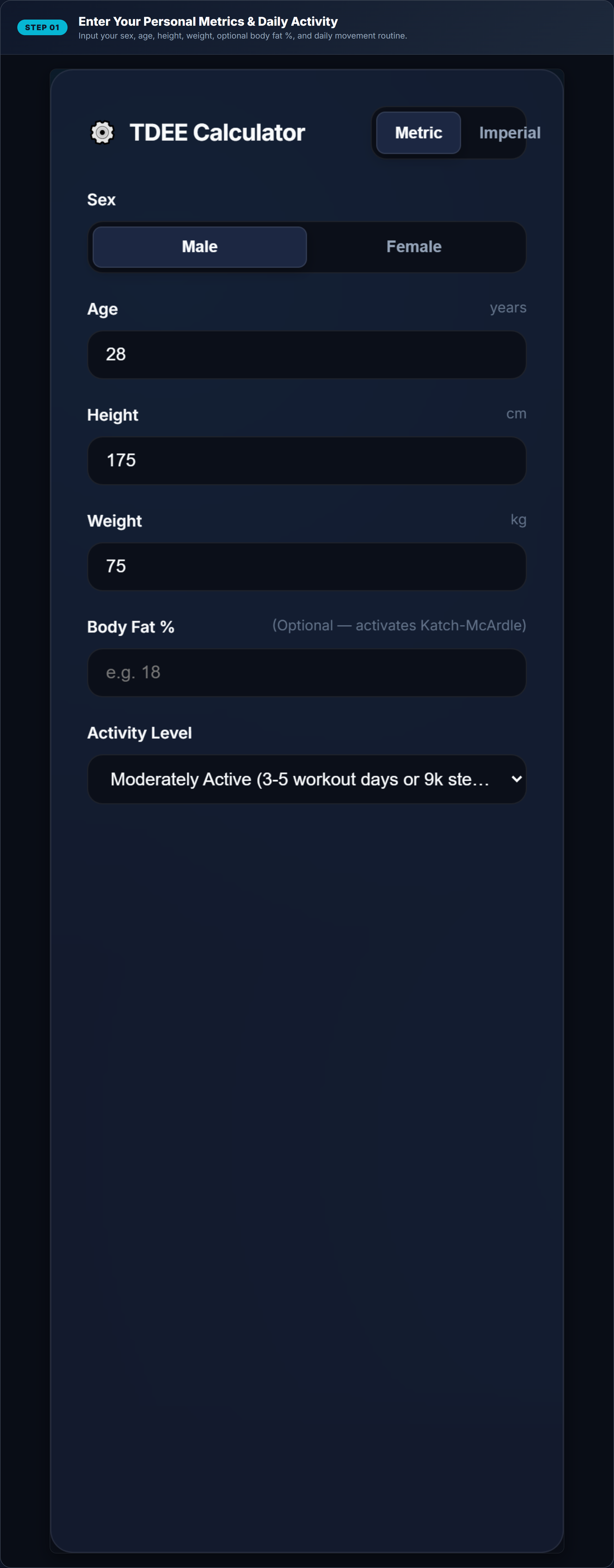
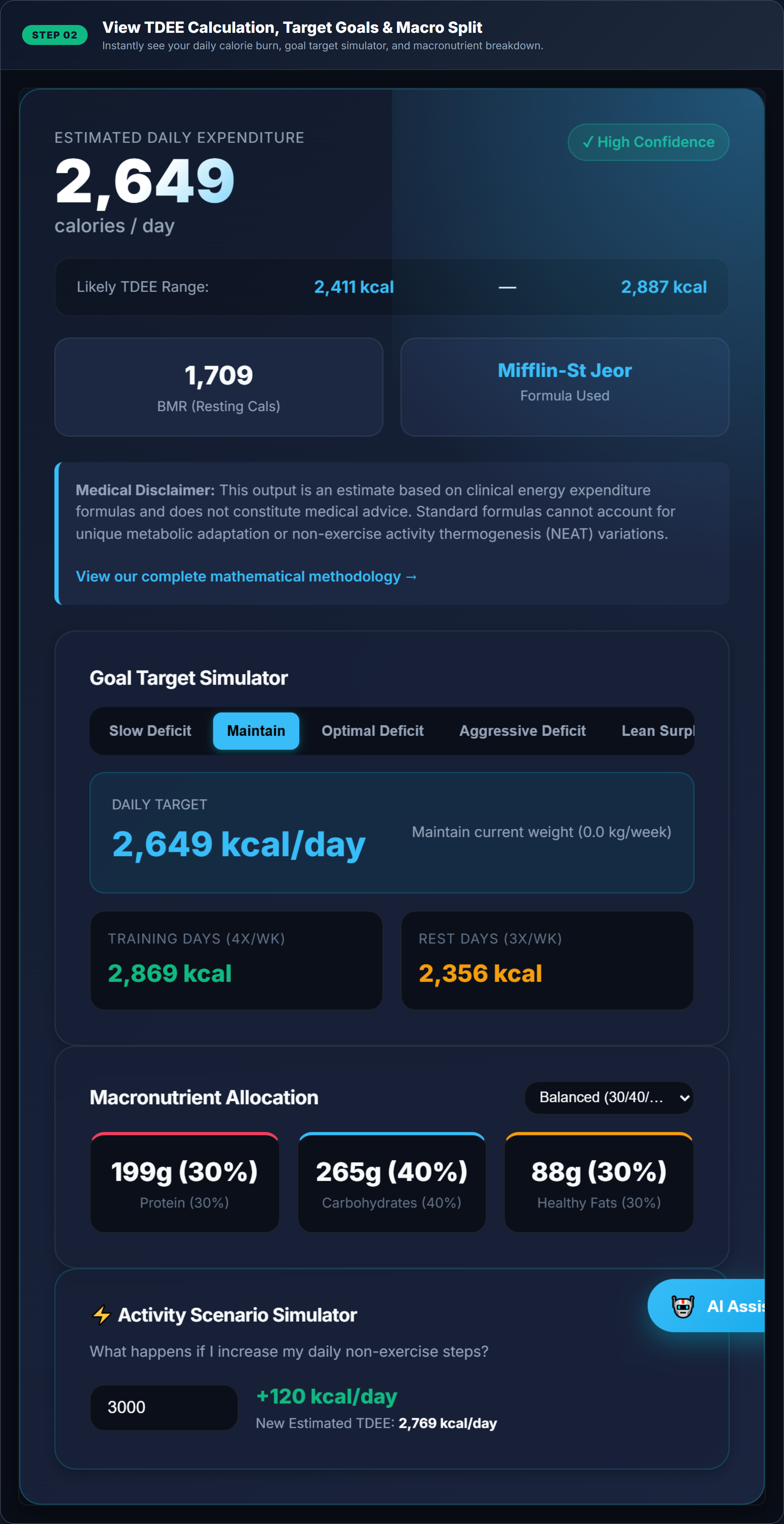
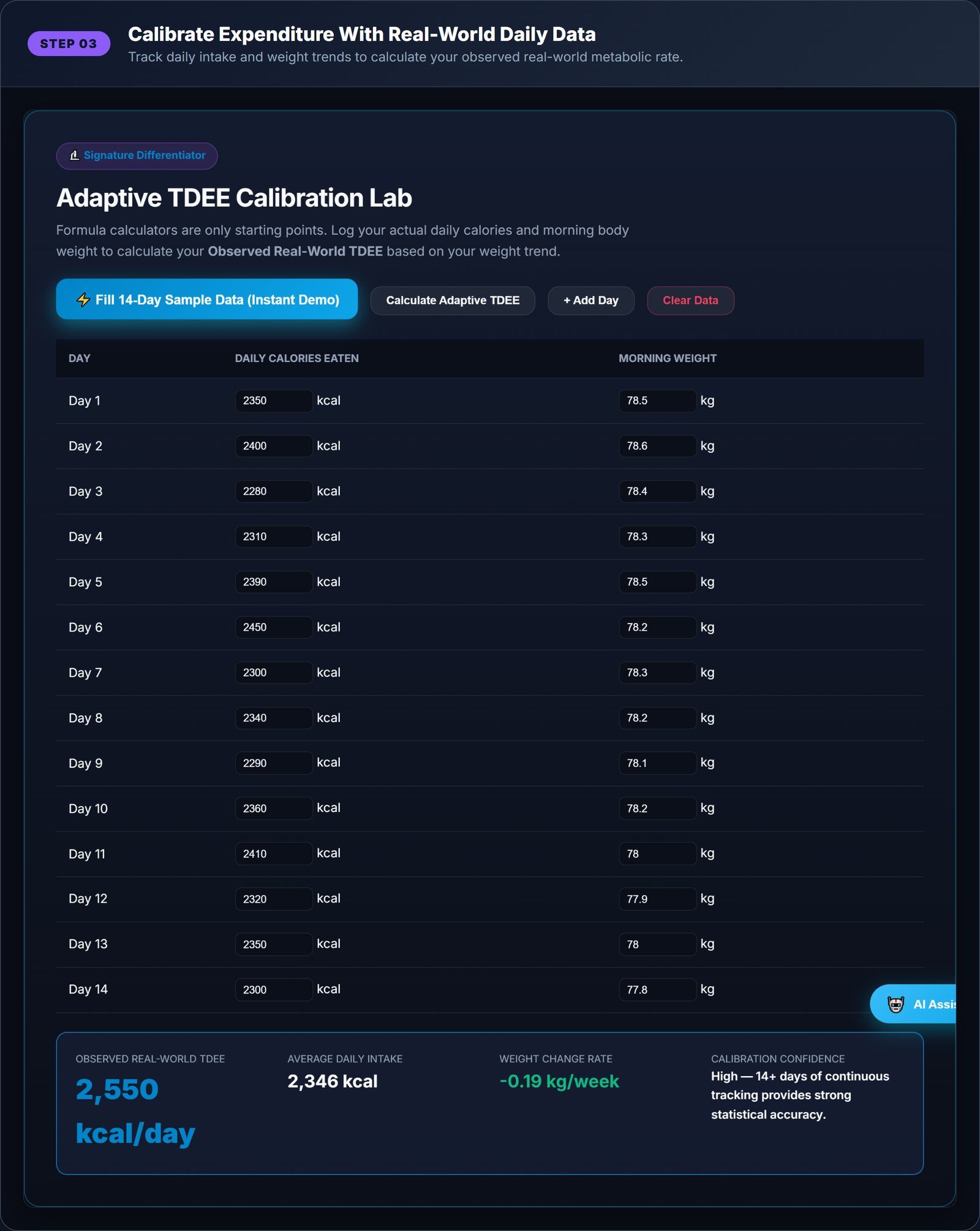
A TDEE calculator can estimate your total daily energy expenditure. This can help put calorie intake into context when planning for weight loss, maintenance, or weight gain.
However, TDEE is an estimate rather than a direct measurement. Calculator results should therefore be treated as a starting point, not an exact prescription.
Add More Fruits and Vegetables to Your Diet
Vegetables and fruits provide vitamins, minerals, fiber, and other beneficial nutrients. Additionally, eating different types can make meals more varied and enjoyable.
Whole fruit can also be a practical choice because it retains its fiber. For example, apples, oranges, berries, bananas, carrots, spinach, and broccoli can be added to everyday meals and snacks.
How to Make Vegetables Tasty
Try roasting, grilling, steaming, or sautéing vegetables with herbs and spices. Likewise, vegetables can be added to soups, eggs, sandwiches, rice dishes, pasta, and wraps.
Starting with small additions can make the habit easier. Over time, gradually increasing the variety of vegetables can become part of your normal routine.
Making the Switch to a Healthy Diet
Changing your entire diet overnight can be difficult. Instead, make small adjustments that fit your existing routine.
For instance, replace sugary drinks with water more often, add vegetables to lunch, choose whole grains when practical, or include a protein source at meals.
Similarly, keep convenient nutritious foods available at home. This can reduce the need to rely on highly processed choices when you are hungry or short on time.
Setting Yourself Up for Success
Meal planning can reduce last-minute decisions and make grocery shopping easier. Furthermore, preparing basic ingredients ahead of time can help during busy days.
| Food Group | Practical Choices |
|---|---|
| Protein | Eggs, fish, poultry, beans, lentils |
| Vegetables | Spinach, carrots, broccoli, peppers |
| Fruits | Apples, berries, oranges, bananas |
| Whole Grains | Oats, brown rice, whole-grain bread |
| Healthy Fats | Nuts, seeds, avocado |
Budget-friendly eating is possible as well. Plan meals before shopping, compare prices, use suitable frozen or canned foods, and choose seasonal produce when available.
Healthy Cooking
Cooking methods can influence the overall nutritional quality of a meal. Baking, grilling, steaming, and sautéing are practical ways to prepare many foods.
Moreover, simple meals can be just as useful as complicated recipes. A meal containing vegetables, a protein source, and a whole-grain carbohydrate can provide a practical foundation without requiring advanced cooking skills.
Healthy Menus and Shopping Strategies
Create a grocery list before shopping. This helps reduce unnecessary purchases and makes it easier to build meals around nutritious foods.
For packaged foods, read the Nutrition Facts label. Pay attention to serving size, calories, protein, fiber, saturated fat, sodium, and added sugars.
Furthermore, compare similar products rather than focusing only on front-of-package claims. A product described as "natural," "light," or "healthy" still needs to be evaluated using its nutrition information.
Healthy Eating When You Are Busy
A busy schedule does not mean healthy eating has to become complicated. Keep simple foods available for quick meals and snacks.
For example, yogurt with fruit, oatmeal with nuts, eggs with whole-grain toast, or a bean-and-vegetable bowl can require relatively little preparation.
Likewise, preparing several ingredients at once can make later meals faster. The goal is to create a routine that works on normal days, not only when you have plenty of free time.
Healthy Eating on a Budget
Healthy food does not always need to be expensive. Compare prices, plan meals around foods already available, and avoid buying more perishable food than you can use.
Frozen vegetables and fruits can be useful options when fresh produce is unavailable or costly. Beans, lentils, oats, eggs, and other affordable foods can also contribute to balanced meals.
Healthy Eating When Dining Out
Eating at restaurants does not automatically prevent a healthy diet. Instead, look for meals that include vegetables, protein, and a suitable carbohydrate source.
Also, consider portion size when meals are large. Water can be a practical beverage choice, while sauces and dressings can be requested separately when possible.
Moderation: Important to Healthy Eating
Moderation means avoiding unnecessary extremes. A healthy eating pattern can include foods that are higher in sugar, fat, or calories without making them the foundation of your diet.
For example, enjoying a favorite dessert occasionally does not cancel the benefits of an otherwise balanced eating pattern. Therefore, long-term consistency is generally more useful than strict perfection.
It's Not Just What You Eat, but When You Eat
Meal timing can vary between individuals because schedules, preferences, activity, and hunger patterns are different.
Rather than following a rigid eating schedule simply because it is popular, focus first on overall food quality and appropriate energy intake. If a particular meal schedule causes excessive hunger or makes healthy eating difficult, it may not be practical for your lifestyle.
How to Spot a Fad Diet
A fad diet often uses strict rules, exaggerated promises, or dramatic claims to attract attention. Warning signs can include eliminating entire food groups, promising rapid weight loss, relying mainly on testimonials, or presenting one food as a solution to many health problems.
Additionally, be cautious when a diet claims to work for everyone without considering individual differences. Reliable nutrition information should be based on credible evidence and current health guidance.
Why Fad Diets Can Be a Problem
Highly restrictive diets can make eating difficult to maintain. Eliminating major food groups without a valid reason may also reduce food variety.
Furthermore, rapid changes may be difficult to sustain once the initial motivation decreases. A more practical approach is to build eating habits that can continue as part of normal life.
How to Safely Lose Weight
For most people, sustained weight loss requires an energy deficit over time. Nevertheless, weight management involves more than simply reducing food intake.
Food quality, physical activity, sleep, preferences, and long-term adherence can all matter. A calorie deficit calculator can provide an estimate for planning, while a TDEE calculator can help estimate daily energy expenditure.
However, people with medical conditions or specific nutritional needs should seek individualized advice from a qualified healthcare professional or registered dietitian.
Nutritional Supplements
Supplements can be useful when a person has a specific nutritional need. However, supplements should not replace a varied diet.
Before using supplements to address a deficiency, medical condition, or medication-related concern, discuss the choice with a qualified healthcare professional.
Your Personalized Healthy Eating Pattern
There is no single menu that works perfectly for everyone. Your eating pattern should consider your health goals, food preferences, culture, schedule, budget, activity level, and estimated calorie needs.
Start with a few realistic changes rather than attempting a complete lifestyle transformation. Then, adjust your meals as you learn what works consistently for your routine.
Frequently Asked Questions
What is the best diet advice for beginners?
Start with simple habits. Eat a variety of nutrient-dense foods, include protein and fiber-rich choices, drink water regularly, and pay attention to portions. Then improve your routine gradually.
How many calories should I eat each day?
Calorie needs vary between people. Age, body size, sex, and physical activity can affect energy requirements. A TDEE calculator can provide an estimate, but individual medical or nutritional needs may require professional guidance.
Is it necessary to avoid carbohydrates?
No. Carbohydrates can be part of a balanced diet. Focus on nutrient-rich sources such as whole grains, fruits, vegetables, and legumes rather than eliminating carbohydrates entirely.
How do I know if a diet is healthy?
Look for a varied eating pattern that provides nutrient-dense foods from different food groups. Be cautious of diets that depend on extreme restrictions, rapid-result promises, or unsupported health claims.
How can I tell if nutrition information is reliable?
Check whether the information comes from recognized health organizations, qualified professionals, or credible scientific sources. Also, be cautious of claims based mainly on testimonials, viral trends, or dramatic promises.
Final Thoughts on Diet Advice
Good diet advice should make healthy eating easier rather than create more confusion. Focus on variety, nutrient-dense foods, protein, fiber, vegetables, fruits, whole grains, healthy fats, appropriate portions, and reasonable calorie intake. Most importantly, choose habits that fit your lifestyle instead of constantly switching between restrictive diet trends.
From an evidence-based perspective, healthy eating is a long-term pattern rather than a short challenge. Understanding estimated energy needs, including TDEE, can provide useful context for weight-related goals. However, a calculator cannot account for every individual health factor. For medical conditions, pregnancy, breastfeeding, medication-related nutrition concerns, or specialized dietary needs, consult a qualified healthcare professional or registered dietitian.